Books
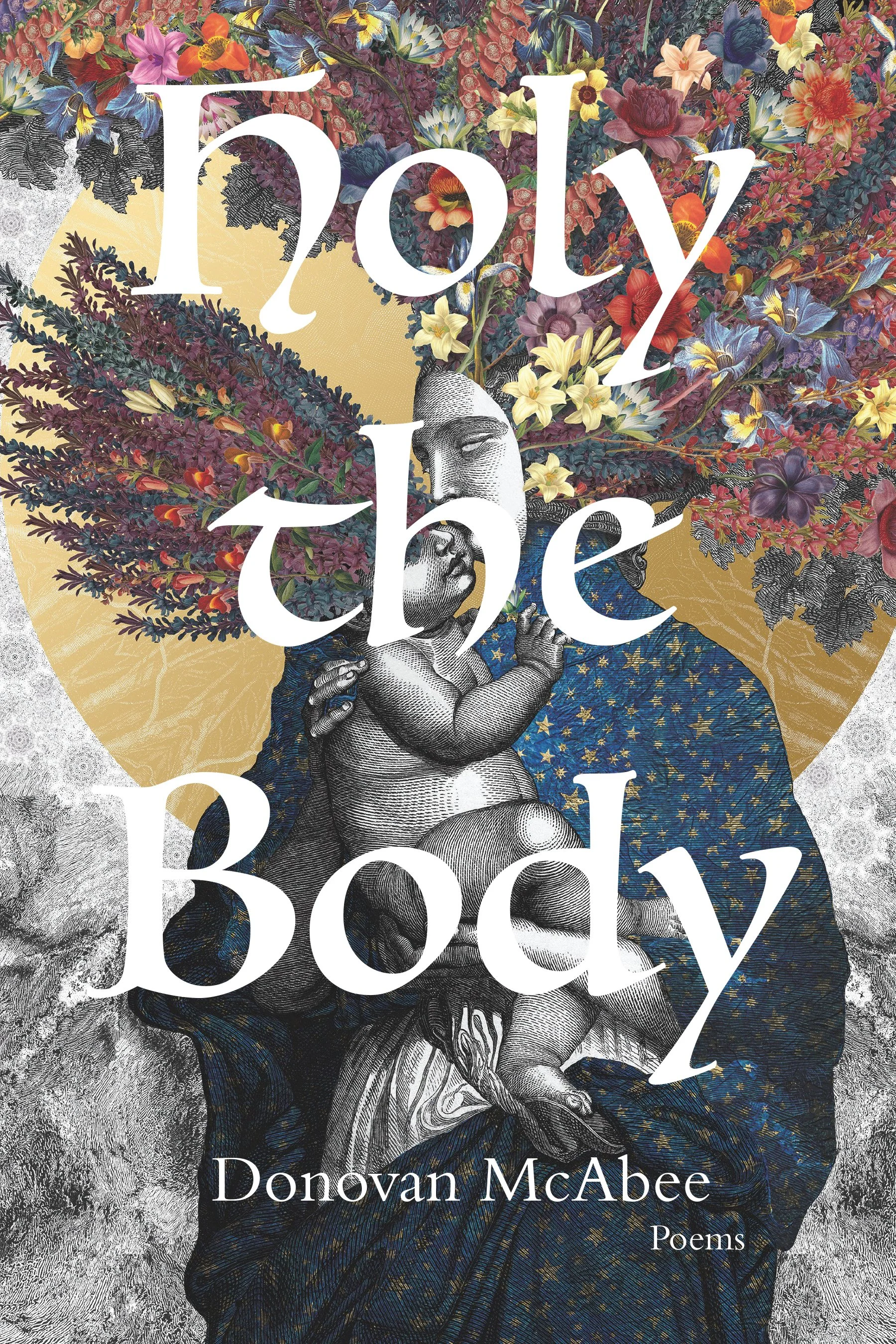
Praise for Holy the Body:
[E]xquisitely funny and magically solemn . . . —MAJOR JACKSON, author of Razzle Dazzle
[S]pirited and tender . . . poems of deep humor and pathos. —PHILIP METRES, author of Fugitive/Refuge
[P]ortrays innocence alongside violence before a return to innocence through clear-sighted recollections. —PÁDRAIG Ó TUAMA, author of Kitchen Hymns
McAbee’s portrait of an open-handed, non-judgmental, big tent Christianity will appeal to all who seek connection . . . —KATE DANIELS, author of In the Months of My Son’s Recovery
[G]ems of faith, emotion, and longing . . . an apophatic theology that speaks to the holes in our hearts . . . —ERIKA MEITNER, author of Useless Junk
Holy the Body wrestles with ghosts and shadows, discovers Mother Teresa in a cinnamon bun in Nashville, Tennessee, and Jesus’s tears in a trick of light. At once dark and humorous, these poems explore the dynamics of loss, grief, and doubt, while chiseling out a hard- earned language for the sacred.


Charles Simic and the Poetics of Uncertainty provides the first full account of the poetics of the former US Poet Laureate, who is one of the most popular and critically acclaimed English-language poets writing today. The book argues for uncertainty as the center of Simic’s poetics and addresses the ways that his poetry grows from and navigates various forms of uncertainty. Donovan McAbee addresses uncertainty regarding the national character of Simic’s poetry and how this is complicated by Simic’s identity as a Yugoslavian refugee to the United States. The book assesses the theological and linguistic uncertainties of Simic’s poetry and explores the ways that Simic articulates the aesthetic space created by poems, as a safe place of encounter for the reader. The book argues for the role of humor as a primary mode that holds together the uncertainties of Simic’s poetry, and finally, it articulates the way that within these uncertainties, Simic develops a deeply humane political poetry of survival. Along the way, Simic’s work is placed in conversation with key influences and other important American and international poets and writers, including James Tate, Mark Strand, Charles Wright, Nicanor Parra, Vasko Popa, and others.